Your Best Travel eSIM Option for Stress-Free Connectivity Abroad
An eSIM for travel is a digital SIM card that lets you activate a mobile data plan without needing a physical plastic card, instantly connecting you to local networks when you arrive. It works by scanning a QR code or downloading a profile, so you can avoid expensive roaming fees and the hassle of swapping SIMs at airports. With an eSIM, you stay connected reliably for maps, messaging, and navigation, making your journey more seamless and less stressful.
Why Ditch the Plastic SIM on Your Next Trip
Ditch the plastic SIM on your next trip to instantly connect upon landing, skipping airport kiosk scrambles. An eSIM for travel lets you purchase and activate a local data plan while sipping coffee at your departure gate. You avoid hunting for a paperclip to swap tiny cards or risking losing your primary number in a rental counter panic. With multiple profiles stored digitally, you toggle between a home and a travel data plan without ejecting anything. This means no more juggling fragile plastic bits or worrying about compatibility with your latest phone. Ditch the plastic SIM for a seamless, no-fumble start to your vacation.
How a digital SIM saves you from roaming robbery
A digital SIM eliminates roaming robbery by letting you instantly purchase and activate a local data plan before you even land. Instead of being charged exorbitant daily fees by your home carrier for using your phone abroad, you pre-select a regional or country-specific eSIM plan at a fraction of the cost. This prepaid model sidesteps surprise roaming bills entirely, as you are never using your domestic plan’s international rate. You simply switch the active eSIM profile in your phone’s settings, bypassing the need to hunt for physical SIMs or risk price-gouging kiosks at the airport.
The hidden costs of physical SIM cards abroad
Unpacking a physical SIM in a foreign country often triggers a cascade of “hidden roaming charges” that aren’t on the price tag. You pay a premium for tiny airtime packages at tourist shops, then get slapped with daily activation fees just to use your own data. Worse, losing the tiny card means a frantic, expensive hunt for a replacement, or paying for an emergency call with extortionate per-minute rates. That “cheap” local SIM bleeds money through surprise top-up taxes and short validity periods, forcing you to rebuy a plan you never fully used. The true cost is the constant wallet-drain from these invisible fees.
Instant connectivity the moment you land
Forget the airport Wi-Fi hunt or jostling for a local SIM card. With an eSIM, you enjoy instant connectivity the moment you land. As the plane touches down, your phone automatically latches onto a local network, letting you summon a ride-share or message your hotel before you even reach baggage claim. This seamless activation eliminates dead zones and logistical delays, turning that first minute in a new country from a chore into pure, uninterrupted convenience.
Selecting the Perfect Data Plan for Your Journey
You’re scrolling through your itinerary, realizing your current plan will cost a fortune overseas. That’s when selecting the perfect data plan for your journey becomes your lifeline. For a two-week trip through Europe, prioritize an esim for travel that offers regional coverage—like 10GB valid for 15 days—over a single-country option. Imagine touching down in Paris and instantly connecting your maps and messaging apps without swapping physical SIMs. Check if the plan supports tethering for your laptop when you’re editing travel vlogs at a café. A flexible data cap, say 1GB per day, saves you from buffering delays while still leaving room for spontaneous Instagram stories. Avoid plans with strict speed throttles; you’ll want smooth video calls home from a hillside hostel.
Comparing regional plans versus single-country options
When comparing regional plans versus single-country options for travel, consider your itinerary’s scope. A regional eSIM covering multiple countries offers seamless connectivity across borders without reconfiguring your device, ideal for multi-stop trips. Conversely, a single-country plan is often cheaper for extended stays in one location, as you avoid paying for unused coverage in adjacent nations. The right choice hinges on whether convenience or cost-per-megabyte takes priority for your specific route. Evaluating your itinerary’s geographic footprint is the key step.
- Regional plans simplify travel across several countries by eliminating manual network swaps.
- Single-country options usually provide higher data allowances at lower prices per gigabyte.
- Mixed usage (e.g., a regional plan for short hops plus a local plan for a long stay in one nation) can optimize both coverage and budget.
- Check if your regional plan includes all transit countries, as “global” zones can sometimes miss smaller destinations.
Data allowances that actually match your habits
Selecting a travel eSIM requires analyzing your consumption patterns rather than guessing. A habit-matched data allowance avoids overpaying for unused gigabytes or running out mid-trip. Estimate your daily usage: streaming video consumes ~1 GB per hour, while maps and messaging use under 50 MB. If you rely on Wi-Fi at accommodations, a 1 GB weekly plan suffices. For constant navigation and social media, opt for 3 GB. How do I accurately estimate my travel data needs? Review your phone’s cellular data usage from a typical week at home, then adjust for travel activities—this provides a personalized baseline for plan selection.
Top-up tricks to avoid running out mid-trip
To avoid running out mid-trip, prioritize eSIMs that offer instant, in-app top-ups without needing a new QR code. Set a data usage alert at 80% of your plan to trigger a quick eSIM recharge before you need it. Always save a backup top-up method, such as a credit card on file or a prepaid voucher code, so you can add data within seconds if your connection drops.
- Activate a “low balance” notification with your provider to get an SMS alert.
- Pre-purchase a top-up voucher before departure to use if your card fails abroad.
- Keep a small amount of local currency credit as a last-resort plan B.
Step-by-Step Setup Without the Headache
Installing an eSIM for travel is pure relief—you buy a plan, scan a QR code sent to your email, and activate it in your phone’s settings under “Cellular,” all before you leave home. Once you land, just toggle the eSIM on, disable your physical SIM’s roaming, and you’re instantly connected with local data. No tiny plastic cards to swap or store, no hunting for Wi-Fi at the airport. “How long does the setup really take?” From scanning the QR to first active signal, expect under two minutes—the headache is gone before your luggage even arrives.
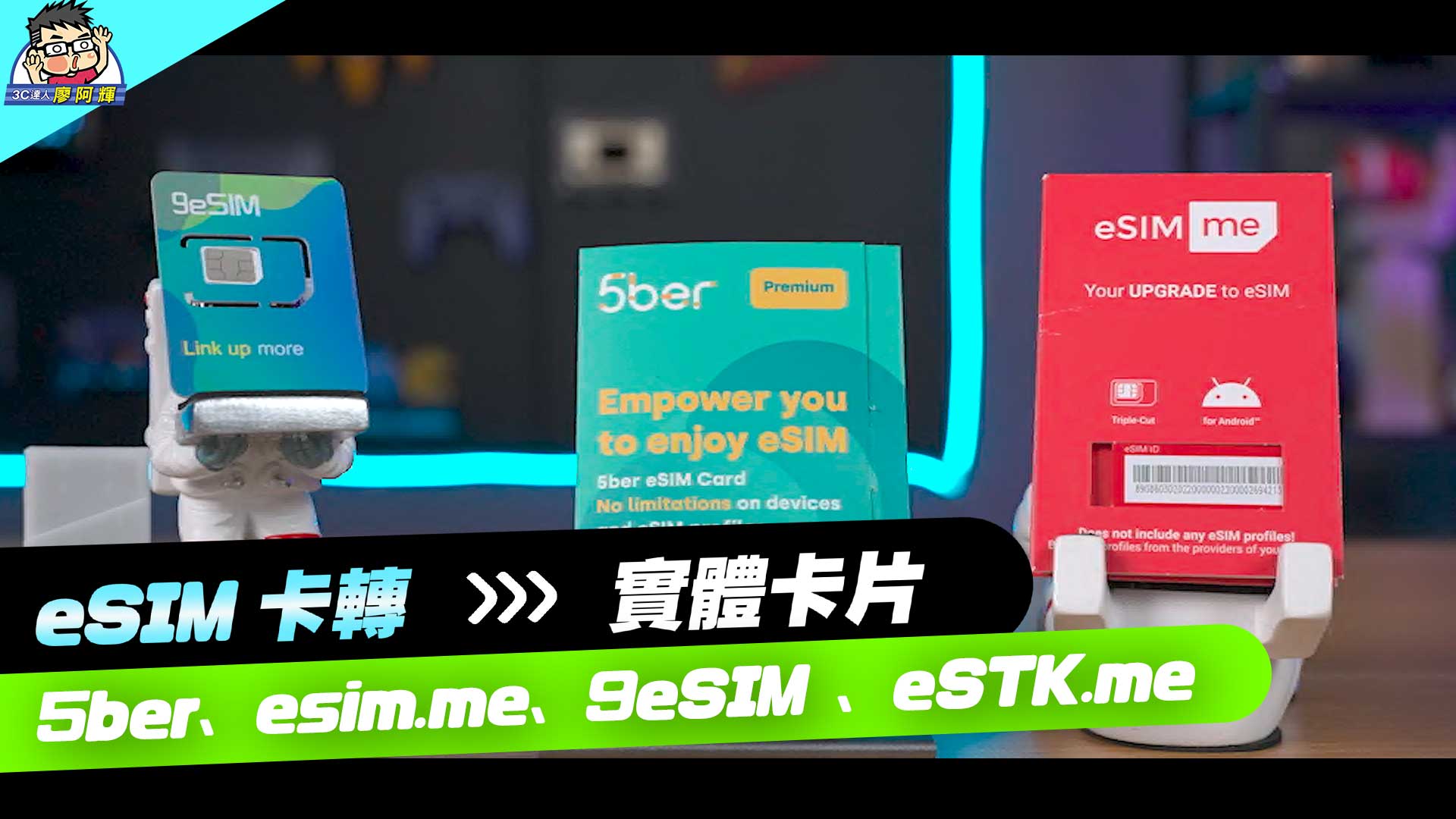
Checking device compatibility before you leave
Before purchasing any travel eSIM, you must first verify your smartphone isn’t carrier-locked and supports eSIM technology. Check your phone’s settings for “Add eSIM” or look up your model on the manufacturer’s site, since older devices often lack the necessary hardware. Confirming device compatibility before departure prevents data dead zones abroad and wasted money. If your phone is locked, contact your carrier to unlock it while you’re still at home, as this process can take days. A simple five-minute check now saves you hours of frustration later.
Installing a profile in under five minutes
With a travel eSIM, installing a profile takes under five minutes. After purchasing your plan, you receive a QR code or install link. Scan it with your phone’s camera, or tap the link, and your device automatically downloads and activates the eSIM profile. In settings, you simply enable the new line for cellular data. That is all—no SIM card swapping or store visits required. This quick eSIM activation lets you connect to a local network almost immediately upon arrival, keeping your trip seamless from the start.
Managing dual SIMs for calls and data
To avoid roaming fees, designate your eSIM for travel data while managing dual SIMs by assigning your physical SIM exclusively for calls and texts. In your phone’s cellular settings, set the eSIM as your default for data and the physical line as your default for voice. Disable “Allow Cellular Data Switching” to prevent your phone from using the physical SIM’s expensive data. For outgoing international calls, manually choose the eSIM’s data-based VoIP option or the physical line if your carrier offers cheap rates. This dual-SIM configuration ensures you stay reachable on your home number while enjoying affordable local data.
Best Providers Worth Your Money in 2025
For 2025, Airalo remains a top pick for its vast global coverage and consistently competitive pricing on regional and country-specific plans, ensuring you never overpay for data. Holafly stands out for travelers wanting unlimited data, offering truly unlimited high-speed plans that eliminate bill shock. For multi-country European trips, the Orange Holiday eSIM provides exceptional value with large data allowances and a local French phone number included. Meanwhile, Ubigi excels for Japan trips, offering rock-solid connection speeds on the local NTT Docomo network. These providers deliver transparent pricing, instant activation, and reliable performance—making them the best providers worth your money for seamless travel connectivity in 2025.

Global leaders with transparent pricing
Global leaders like Airalo and Holafly provide transparent global eSIM pricing for travelers by displaying exact costs upfront without hidden fees. Their pricing includes a clear sequence: first, you select a destination region; second, you compare flat-rate data packages for local or regional coverage; third, you see the total cost in your local currency before purchase. No post-use surcharges apply, and unused data policies are stated plainly in checkout. Below is the sequence for transparent pricing:
- Choose a destination specific plan or a global bundle.
- View the fixed price per gigabyte or per day.
- Confirm there are no activation or roaming add-ons.
Niche carriers for off-the-beaten-path destinations
For travelers venturing beyond tourist hubs, niche carriers like Airalo’s local partners or Nomad excel by securing direct agreements with regional towers in remote zones. Instead of relying on major networks, they offer prepaid eSIMs for unconnected regions such as the Faroe Islands, Patagonia, or central Mongolia, where standard global plans fail. This ensures reliable data when hiking, sailing, or village-hopping, without roaming surprises.
- Use local-only eSIMs to avoid expensive satellite fallbacks.
- Check carrier coverage maps for specific off-grid islands or mountain passes.
- Pre-download the eSIM before losing Wi-Fi access at the destination.
User reviews that separate hype from help
User reviews that separate hype from help focus on consistent, specific complaints about unreliable real-world speeds, not just signup ease. Look for repeated mentions of throttling after initial data or dropped connections at transit hubs. Praise for “seamless activation” is less useful than verified accounts of consistent performance across multiple countries. Avoid reviews citing “amazing value” without mentioning actual Mbps tested during peak hours. Instead, weigh those that detail midday streaming stability or map accuracy for local networks.
Separate hype from help by trusting verified, specific reports of throttling and real-world speed consistency during peak travel hours, not generic praise for ease of activation.
Navigating Common Pitfalls and Missteps
Navigating common pitfalls with eSIMs for travel begins with verifying device compatibility before departure, as many older or carrier-locked phones cannot activate an eSIM profile. A frequent misstep is installing the eSIM without a stable Wi-Fi connection, which can cause activation failure; always download the profile before leaving home to ensure a seamless setup. Avoid purchasing a plan with insufficient data by realistically estimating your usage, including mapping and streaming. Another misstep is accidentally deactivating your primary eSIM’s cellular data, which can block critical two-factor authentication codes. Finally, forgetting to disable automatic network selection may lead to unintentional roaming on expensive partner networks, so manually lock your eSIM to a preferred local carrier upon arrival to maintain cost control.
Why some phones refuse to cooperate

Not all phones cooperate with eSIM travel plans due to carrier-imposed locking. A carrier-locked device, often sold under contract, rejects any profile from a foreign network, silently failing the installation. Even unlocked phones can refuse if their firmware lacks the necessary eSIM protocols or if your home provider has remotely disabled the feature. Finally, some older or budget models simply lack the eSIM hardware entirely, leaving travelers scrambling for a physical SIM alternative. Always verify both carrier lock status and native eSIM support before departure.
Switching carriers without losing your number
Switching carriers via eSIM while traveling often creates a risk of losing your primary number if porting is mishandled. The critical step is to ensure your home carrier supports temporary number retention during active eSIM profiles. Activate the travel eSIM on a secondary slot, then manually disable your primary line’s data to avoid accidental deactivation. Porting your existing number to a new travel provider can permanently sever ties with your home account, so always test the eSIM’s data on a separate profile first. Confirm with your home carrier that number port-out requires a specific code or account lock before initiating any switch. This prevents inadvertent loss during your trip.
Troubleshooting slow speeds in crowded zones
When experiencing slow speeds in crowded zones, first switch your eSIM’s network selection from automatic to manual. This forces your device to scan for less congested local carriers, bypassing the overwhelmed default tower. If speeds remain sluggish, toggle Airplane Mode for 10 seconds to force a fresh reconnection to a potentially less saturated cell. Some eSIM providers offer multi-network profiles—manually test each available carrier’s performance in the same spot, as network congestion varies drastically between providers even within a 50-meter radius. Lastly, disable 5G and lock to 4G LTE; the shorter range and higher frequency of 5G often worsen speed degradation in packed areas.

Maximizing Value Across Multiple Destinations
Maximizing value across multiple destinations with an eSIM involves selecting a single regional or global data plan rather than purchasing separate local plans for each country, as this avoids cumulative activation fees and reduces per-gigabyte costs. Prioritize plans with generous data rollover across borders, ensuring unused data is not wasted when moving between nations. To avoid unexpected charges, always confirm that your eSIM plan includes unrestricted roaming in all intended destinations, as some “global” plans exclude specific countries. Using a plan with a shared data pool for multiple countries lets you allocate bandwidth based on real-time needs, like streaming maps in one city while conserving in another. Notably, managing your data usage via the provider’s app lets you top up only when absolutely necessary, avoiding unused data at trip’s end.
Stacking local eSIMs for cross-border hops
For travelers executing cross-border eSIM stacking, the optimal approach involves preloading separate local eSIMs for each country in your itinerary rather than relying on a single regional plan. You first install and activate a local eSIM for country A, then add an eSIM for country B—keeping both profiles dormant until needed. When hopping, simply toggle the active line via your phone’s settings; this avoids roaming surcharges that regional plans sometimes apply. Stacking local eSIMs lets you exploit each nation’s cheapest data rates independently, though requires managing multiple credentials. A practical comparison clarifies the trade-off:
| Method | Cost Efficiency | Management Effort |
|---|---|---|
| Stacked local eSIMs | Per-country lowest rates | Manual profile switching |
| Single regional eSIM | Higher per-GB price | Auto-connect convenience |
Saving money on long-haul versus short trips
For optimizing travel eSIM costs, trip duration dictates your choice. On long-haul multi-destination trips, a regional or global eSIM plan covering all visited countries for a set number of days is typically cheaper than buying multiple local plans. Conversely, for short trips, a single-country, data-only plan often provides better value, avoiding the premium for unused international coverage. Always compare the per-day cost of a global plan against the sum of separate local plans for your specific itinerary.
- Select a regional plan for itineraries spanning several weeks or multiple countries.
- Choose a single-country plan for a weekend stay or a brief stopover in one location.
- Factor in “top-up” costs if your base plan runs out mid-trip.
- Check if your long-term plan includes “rollover data” for unused days.
Using referral credits and loyalty rewards
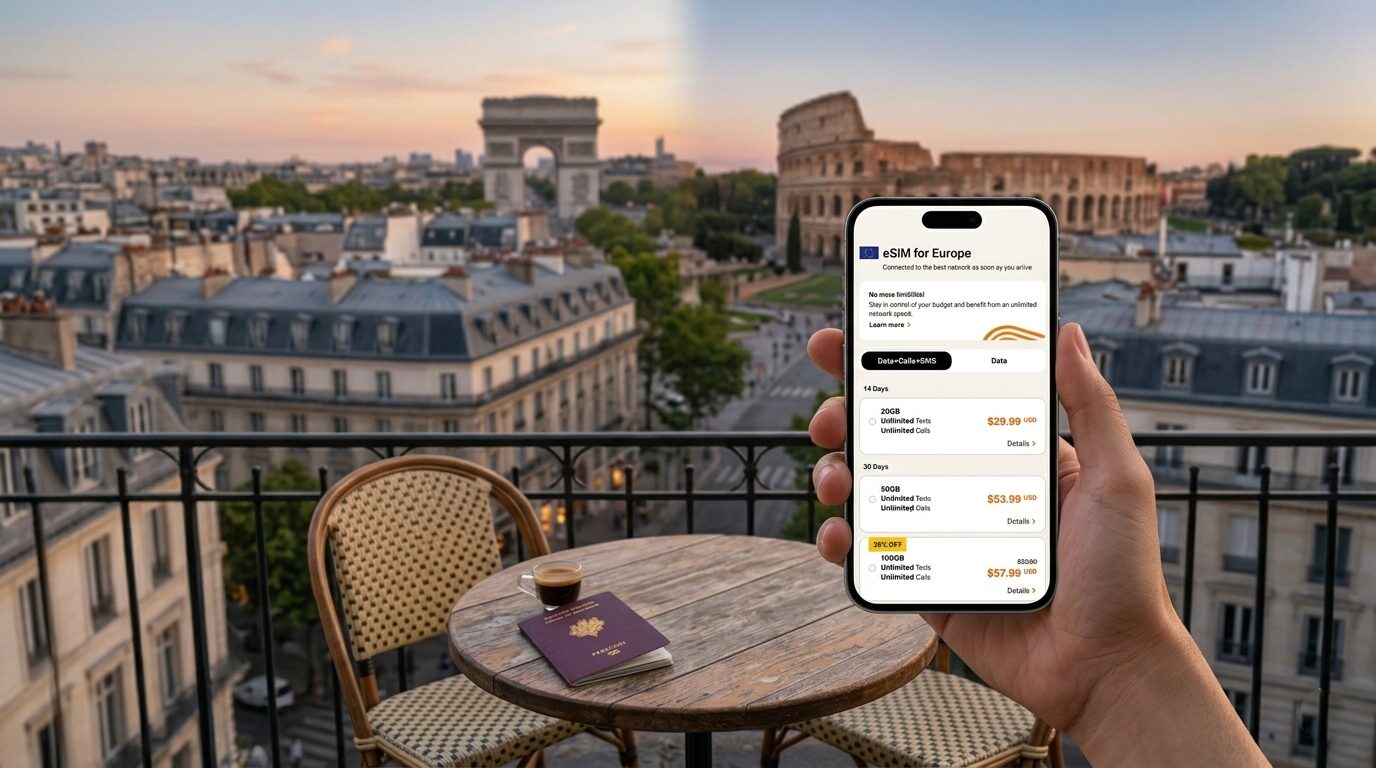
Stacking referral credits with loyalty rewards is the smartest way to stretch your travel eSIM budget across multiple trips. When you sign up for a provider, referral credit stacking lets you earn free data just by inviting friends who also travel. Pair that with a loyalty program that gives bonus GBs after a few top-ups, and you’ll often cover an entire weekend abroad without spending a cent. Just remember to check if credits expire between destinations, and always apply your loyalty code before using a referral bonus for maximum overlap.
| Reward Type | How to Use Across Destinations |
|---|---|
| Referral credits | Apply to your next destination’s plan immediately after earning them. |
| Loyalty points | Save up and redeem for a pricier regional plan covering multiple countries. |
Staying Secure While Roaming Digitally
Staying secure while roaming digitally starts with your eSIM. Treat your eSIM profile like a digital key—only install it from a trusted provider’s official app or website to avoid spoofed QR codes. Since your eSIM carries no physical card to lose, it already reduces theft risks, but always use a strong device PIN. For public Wi-Fi, an eSIM’s native data line is safer than connecting to open networks, yet still avoid logging into banking on any roaming connection.
Your digital footprint is smaller with an eSIM since you’re not swapping out foreign SIMs in public, but never leave Bluetooth or hotspot on automatically.
Finally, revoke unused eSIM profiles after your trip: they can’t be lost if they’re deleted.
VPN integration for sensitive transactions
For truly secure esim transactions, always activate your VPN before logging into banking or payment apps. A VPN encrypts the data between your device and the server, hiding your IP from prying eyes on public Wi-Fi. Split-tunneling lets you route only sensitive traffic—like money transfers—through the VPN, while local browsing stays direct for speed. This prevents accidental exposure when using a new esim carrier’s network. Double-check your VPN has a kill switch; if the tunnel drops mid-transaction, it cuts all internet access instantly.
Avoiding public Wi-Fi traps with cellular data
Using cellular data via an eSIM eliminates the need to connect to China eSIM public Wi-Fi hotspots, which are prime attack vectors for data interception. When roaming, disable your device’s Wi-Fi and auto-join features to prevent inadvertent connections. Your eSIM’s dedicated data channel bypasses unsecured networks entirely. Avoiding public Wi-Fi traps with cellular data means your traffic never routes through a café or airport router. Even a trusted-looking “Guest Wi-Fi” signal can be a malicious twin deployed for credential harvesting.
- Turn off Wi-Fi scanning in device settings so only eSIM data is active.
- Use a VPN on top of cellular data to encrypt all traffic in transit.
- Never toggle Wi-Fi on unless you verify the network’s administrator directly.
- Treat cellular data as the only safe pipe for logins or financial transactions abroad.
What to do if your eSIM gets compromised
If your eSIM is compromised while traveling, immediately disable the profile via your device’s settings to cut the attacker’s access. Next, contact your eSIM provider to revoke the compromised eSIM and reissue a new QR code or activation code. Change all critical account passwords, especially for email and banking, using a secondary device on a trusted network. Immediately reporting the incident minimizes misuse, while performing a carrier-initiated remote wipe ensures residual data cannot be exploited.